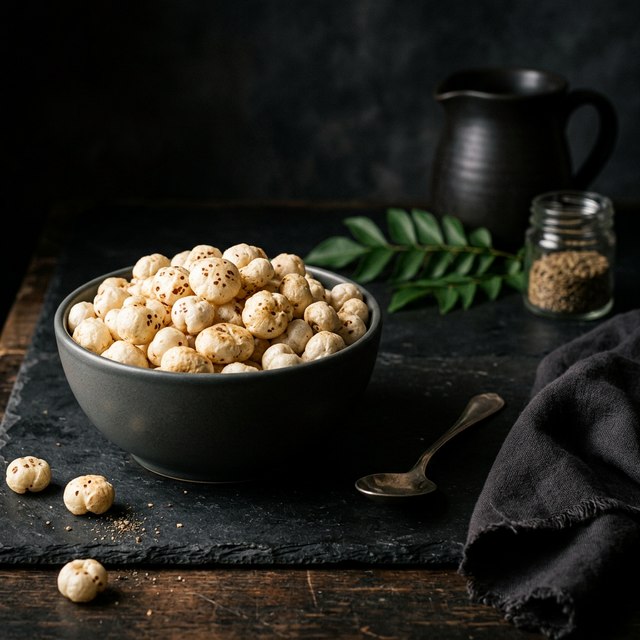
When the dreaded 4 PM craving inevitably hits, it is all too easy to reach blindly for a standard bag of potato chips. The desire for something salty, crunchy, and immediately gratifying is a universal experience. But what if there was an alternative that completely satisfied that urge without any of the associated guilt, lethargy, or negative health impacts? The debate between roasted makhana vs fried snacks is one that is increasingly dominating the wellness and nutrition space. Let's explore exactly why traditional deep-fried snacks are detrimental to your health, and why making the switch to roasted fox nuts is one of the easiest and most impactful nutritional choices you can make.
The Hidden Dangers of Deep-Frying
To understand the sheer magnitude of the difference between these two snacking categories, we must first examine the physical process of deep-frying. When commercial snack companies produce items like potato chips, cheese puffs, or namkeens, the raw ingredients are submerged in enormous vats of refined vegetable oils at extremely high temperatures. This intense heat fundamentally alters the chemical structure of the food. First, the high temperature completely obliterates almost all of the naturally occurring vitamins, minerals, and antioxidants present in the original vegetable or grain. Second, the food absorbs a massive quantity of the oil, converting a relatively low-calorie vegetable into a remarkably calorie-dense, high-fat product.
More alarmingly, the process of repeatedly heating polyunsaturated vegetable oils causes the fats to oxidize and degrade, forming dangerous trans fats and free radicals. The regular consumption of these oxidized, deep-fried fats is directly linked by numerous medical studies to severe bodily inflammation, the development of cardiovascular disease, increased levels of "bad" LDL cholesterol, and widespread oxidative stress on the cellular level.
The Roasting Advantage: Why is Roasted Makhana Healthy?
In stark contrast to deep-frying, roasting is a gentle, dry-heat cooking method. At Uncle Makhana, we exclusively dry-roast our carefully selected ingredients. When you examine the benefits of roasted fox nuts compared to their fried counterparts, the nutritional differences are staggering.
1. Maximum Nutrient Retention
Because dry roasting does not involve submerging the food in boiling oil, the integrity of the ingredient is preserved. The Euryale ferox seed (makhana) completely retains its phenomenal natural profile of plant-based protein, dietary fiber, magnesium, potassium, and highly concentrated flavonoid antioxidants. You are consuming the seed almost exactly as nature intended, just with a dramatically improved, satisfyingly crunchy texture.
2. Drastically Lower Caloric and Fat Content
When you ask nutritionists for healthy snacks instead of chips, roasted makhana is almost always their first recommendation. Because makhana is dry-roasted, it absorbs virtually zero extra oil during the crisping process. We only use an ultra-light, localized misting of premium oil—strictly just enough to allow our natural, artisanal spice blends to adhere to the surface of the nut. This results in a final premium product that boasts a fraction of the saturated fat and total caloric load of a standard fried chip, while delivering an arguably superior crunch.
3. No Trans Fats or Harmful Toxins
Because the complex oxidation processes involved in deep-frying never occur during dry roasting, roasted makhana contains absolutely zero trans fats. You are completely protected from the pro-inflammatory compounds that degrade cardiovascular health. This makes it an incredibly safe, heart-positive snack that can be confidently consumed daily by both children and adults.
Beyond Nutrition: A Superior Textural Experience
While the health arguments for choosing roasted makhana are undeniable, an often-overlooked factor is the pure culinary experience. Deep-fried snacks often leave a noticeable, greasy residue on your fingers and can leave you feeling heavy and lethargic due to the massive influx of dense fats and simple carbohydrates. Roasted makhana, on the other hand, provides a remarkably clean, crisp, and airy crunch. It leaves almost no residue and digests cleanly, thanks to its high fiber baseline and low glycemic index. It provides the psychological satisfaction of "junk food" without any of the physiological downsides.
Conclusion: The Clear Winner
The verdict in the battle of roasted makhana vs fried snacks is completely unambiguous. Sticking with highly processed, deep-fried chips means accepting a diet high in empty calories, inflammatory trans fats, and sodium, while gaining almost zero nutritional value. By effortlessly switching your daily snack routine to roasted makhana, you are actively choosing a low-calorie, high-protein, antioxidant-rich superfood that protects your heart, aids in weight management, and ultimately just makes you feel better. Next time you are craving a bag of chips, consider switching to a bag of Uncle Makhana's Peri Peri or Cream & Onion for a purely positive, transformative snacking experience.